

Buying Guide
Milk, Considered: Best Coffee Beans for Flat Whites & Lattes
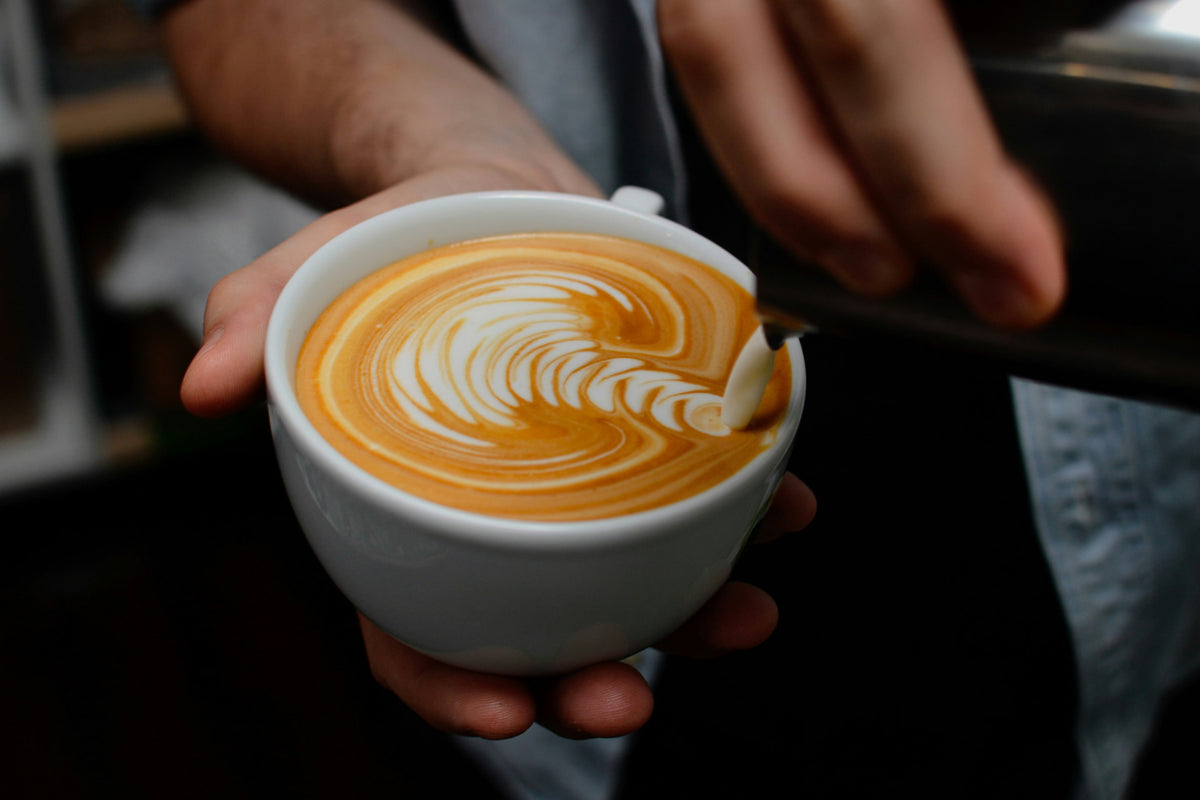
If your flat white tastes mostly of warm milk, the fault is rarely the barista. It could be the bean. The coffees that cope have a different set of virtues. Sweetness you can taste through the foam. A little weight in the body. Just enough acidity to keep things interesting without turning sour. They tend to taste of chocolate, toasted nuts and brown sugar.
The best coffee beans for a flat white or latte are sweet, chocolatey and balanced rather than sharp or very light, because milk softens acidity and mutes delicate fruit. At Common Coffee, Strong is built for exactly this. What follows is why, which other coffees of ours earn a place in a milk drink, and how to make it work for you at home.
What milk does to coffee
Milk sweetens, softens and dilutes, all at once, and a coffee has to be chosen with that in mind. Look first for sweetness and body: chocolate, caramel and toasted nut flavours stay clear through milk, while delicate florals tend to vanish. Mind the acidity: bright, citrus led coffees can taste sharp against milk, particularly in a small drink. And allow for intensity: the more milk in the glass, the more concentrated and sweet the coffee needs to be. Choose for what survives the milk.
The Milk Drink Edit
The drink matters as much as the bean. Ratios and sizes vary from cafe to cafe, and a cortado and a flat white aren't the same drink, but these are typical figures.
| Drink | Espresso to milk | Typical size | What the coffee needs |
|---|---|---|---|
| Cortado | about 1:1 | around 4oz (120ml) | Intensity and sweetness |
| Flat white | about 1:2 | around 5-6oz (150-180ml) | Chocolate and structure, with sweetness |
| Latte | about 1:3 to 1:5 | around 8-12oz (240-350ml) | Roundness and sweetness, low sharpness |
Which Common coffee should I choose?
If you want one answer, it's Strong: a blend of natural Brazil and washed Peru with dark chocolate, walnut and brown sugar, built for espresso and milk. It's the safest choice for a flat white, latte or cappuccino.
If you like your milk drinks sweeter and softer, Sweet is a Guatemalan, with tasting notes of white-honey with baked apple, toasted pecan and brown sugar, and its sweetness suits a latte particularly well. If you want fruit in your flat white, Complex is a natural from Yunnan with gummy cherry, stonefruit and dark chocolate. The fruit stays vivid in a small drink and goes quieter in a large one.
For something darker, Bold is a natural Brazil with dark chocolate and roasted almond. And for evenings, Decaf is a Swiss Water decaf from Brazil with apple, dark chocolate and biscuit notes, when in stock.
A flat white at home
You don't need a cafe's worth of equipment, only a little discipline.
- Dose: 18g of ground coffee for a double.
- Yield: about 36g of espresso (1:2) in 25 to 30 seconds, with water around 93°C.
- Milk: steam whole milk to around 60°C, hot enough to sweeten and not hot enough to scald, aiming for a glossy, paint-like texture with very little foam.
- Pour into a 150 to 180ml cup.
No espresso machine? A moka pot gives a strong, concentrated base that works well with milk. An AeroPress with less water makes a strong brew that also takes milk well, though it isn't true espresso.
FAQs
What roast is best for a latte?
A sweet, balanced coffee with chocolate or nut notes. Very light, high-acid coffees can taste sharp in milk.
Can I use the same beans for filter and espresso?
Often, yes. Check the brew guidance on each product page, and adjust the grind to taste.
Why does my latte taste weak?
Milk dilutes coffee. Try a more concentrated base, a smaller drink, or a sweeter, more intense coffee such as Strong.
Browse Common's full coffee range, or save on regular orders with a coffee subscription.
More from the journal

The Christmas Cup: Why Some Coffees Taste like Christmas
Clove, clementine, a suspicion of brandy. Before you blame the syrup, consider that the bean got there first.
Read the full story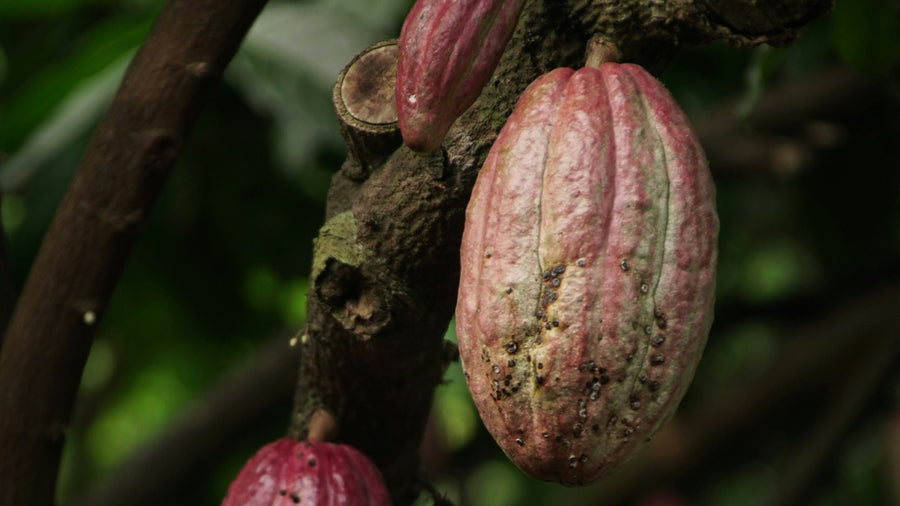
Why Coffee Tastes Like Chocolate (Without Any Chocolate)
No cocoa, no additives, just chemistry. Here's the science behind why some coffees taste like dark chocolate, and where to find it in ours.
Read the full story
Freeze Drying vs Spray Drying: Why It Matters
Most people, when they think about what separates a good cup of coffee, think about the obvious variables: the beans, the roast, the brew method, the water. These are the...
Read the full story